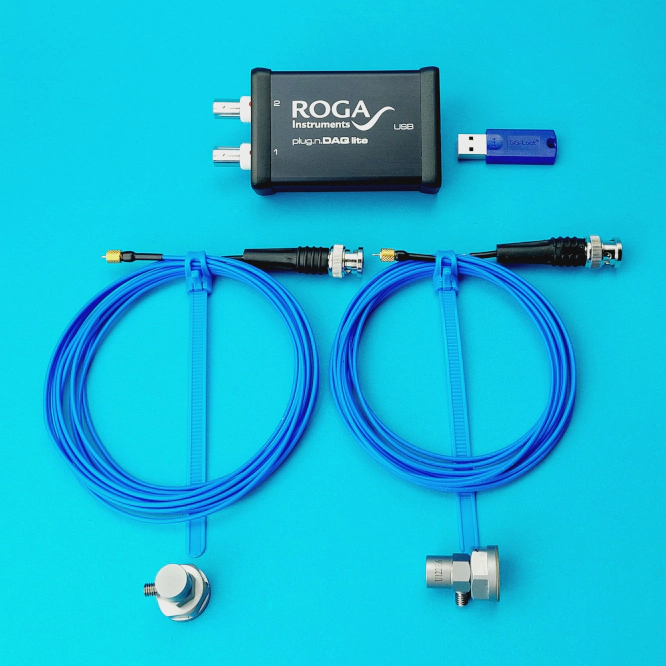
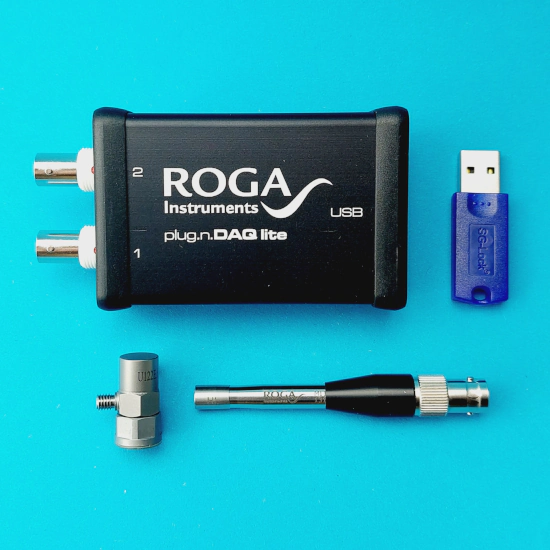
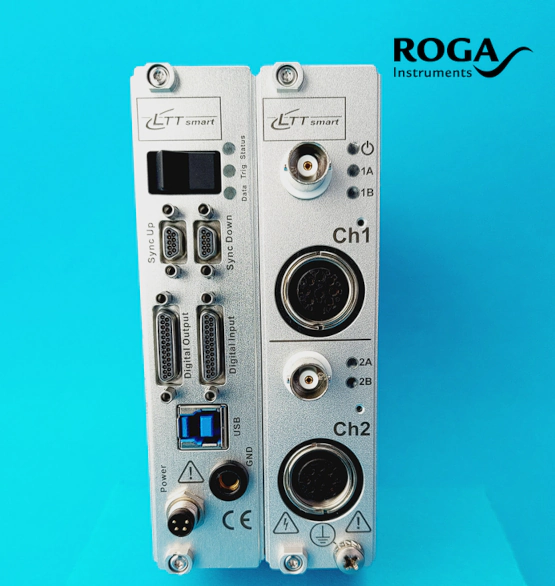
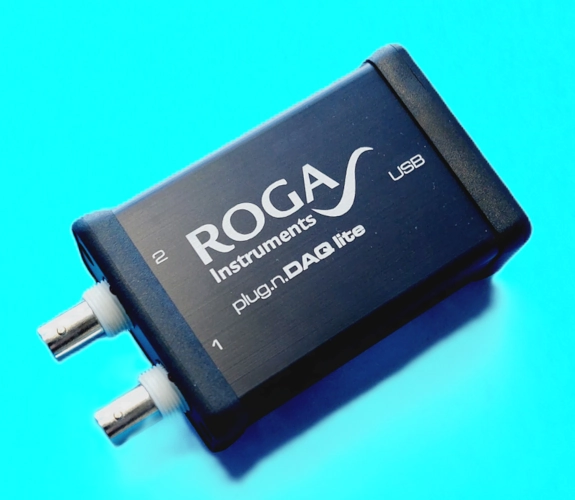
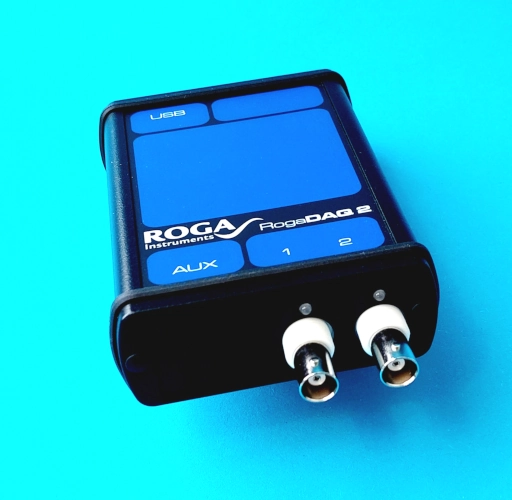
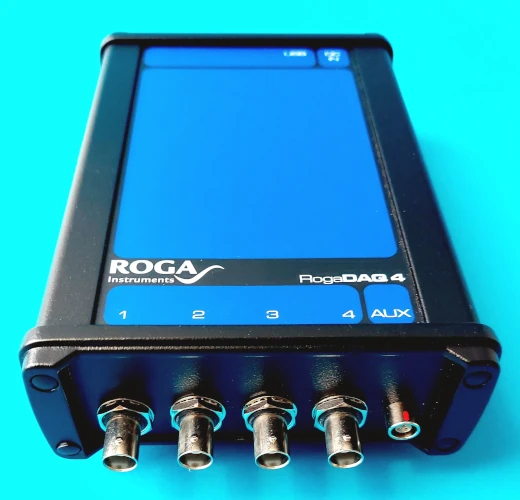
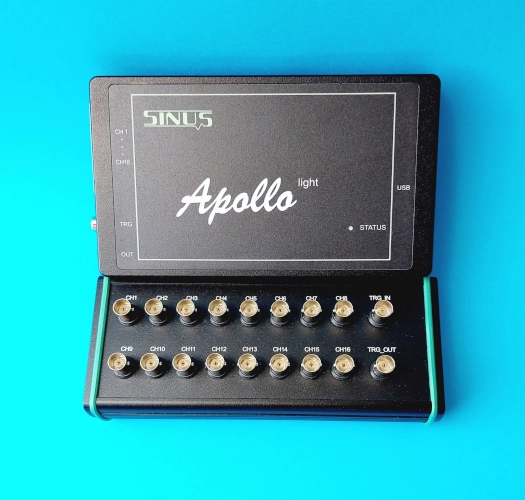
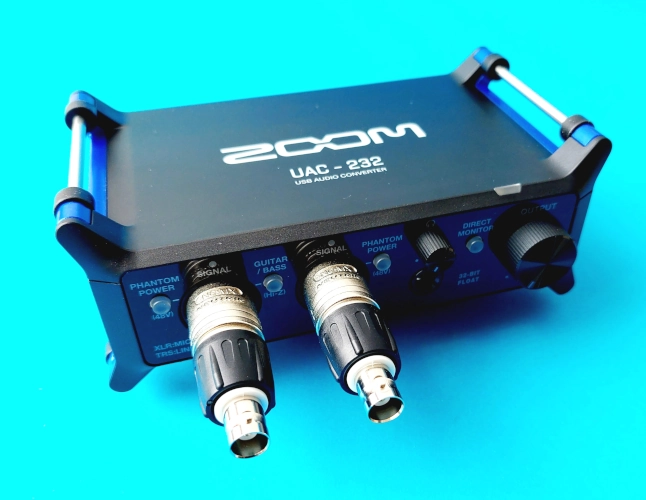
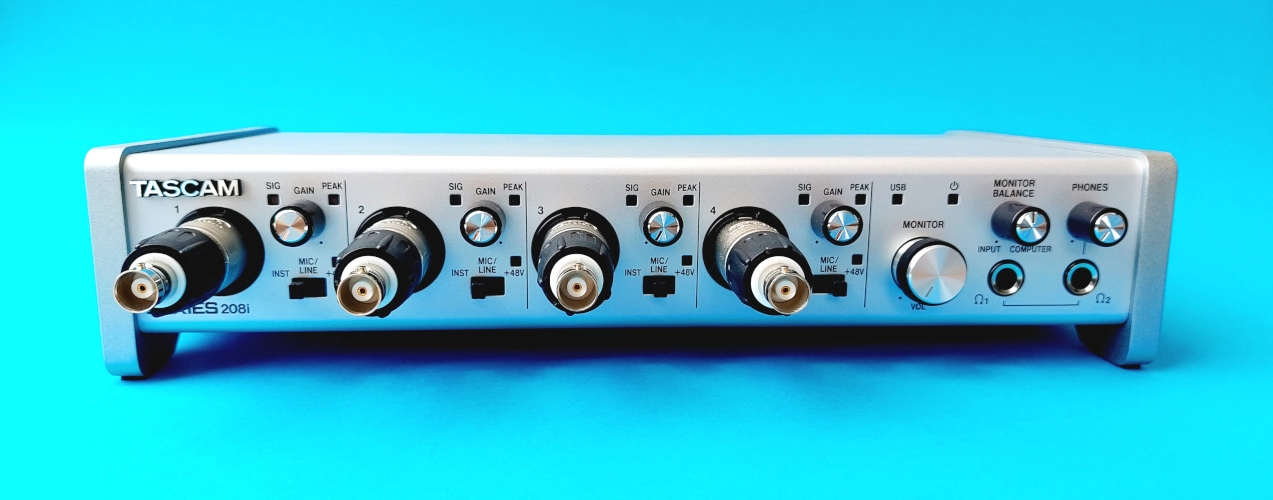
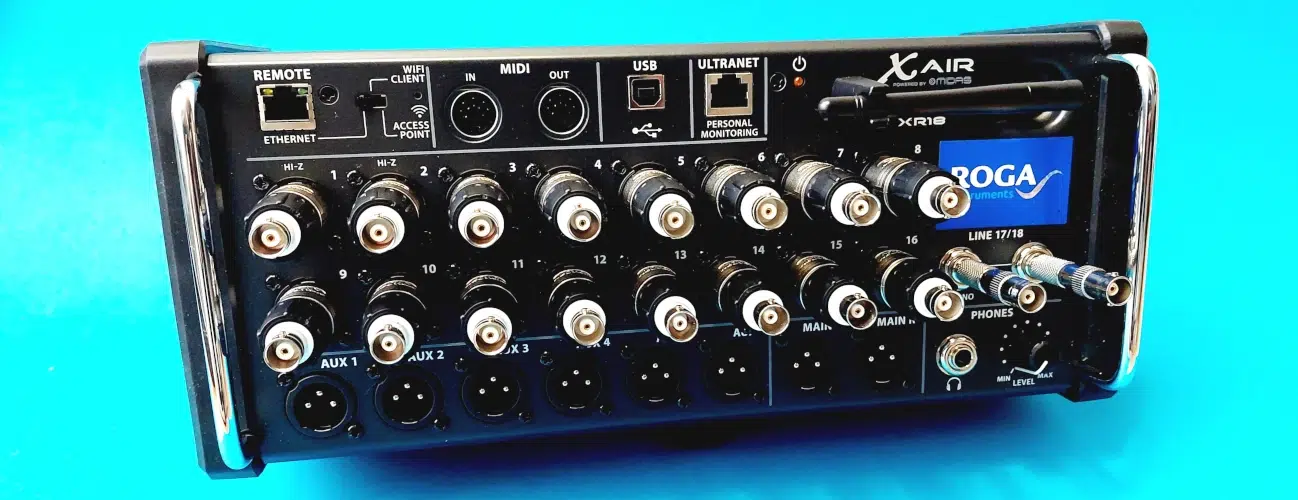
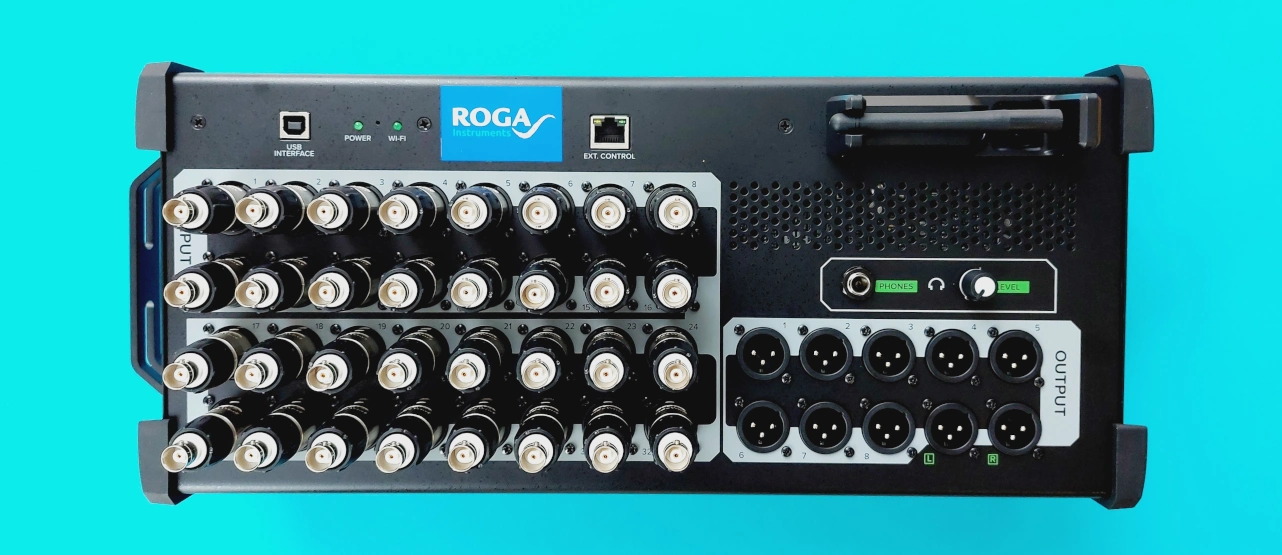
A USB audio DAQ (data acquisition) card is an external device that connects analog audio sensors or measuring instruments to a computer. It processes physical signals using an analog-to-digital converter (ADC) and transmits the data natively via a standard USB audio protocol.
These cards are valued by acousticians, sound engineers, and engineering firms alike for their driverless, plug-and-play integration. Because they are recognized as standard USB audio interfaces, they offer high compatibility with programming environments and recording software such as MATLAB, LabVIEW, and Audacity.
Key specifications and features include:
- High resolution: Many specialized cards offer 24- to 32-bit resolution and extremely high sampling rates of up to 384 kHz to capture highly detailed acoustic and vibration data.
- IEPE/ICP support: High-quality measurement cards (such as the RogaDAQ 384 or RogaDAQ2 from ROGA-Instruments) feature integrated IEPE (Integrated Electronics Piezo-Electric) support. This enables the direct powering of specialized measurement microphones and accelerometers without the need for a separate signal conditioning unit.
- DC coupling: Unlike conventional consumer-grade USB ADCs, professional audio DAQ cards offer true DC coupling. This allows for the measurement of static or extremely low-frequency signals (often down to 0.3 Hz), making them ideal for seismic analysis and infrasound monitoring.
- Noise reduction: Specialized USB IEPE DAQ cards (such as the RogaDAQ 384) are sometimes used by technicians to minimize ground loops or interference pickup through galvanic isolation.
- Low-cost USB sound cards: These can be used for general audio data acquisition. However, dedicated measurement devices—such as the RogaDAQ2 and RogaDAQ 384 from ROGA-Instruments—are the standard for professional vibration and acoustic analysis.