Skip to content

High Temperature Microphone - Rugged industrial microphone

Water-resistant and Dustproof Microphone

Heat-resistant measurement microphone, water- and dust-resistant up to 302°F - 150°C

A new dust- and heat-resistant IEPE microphone for sound measurements in very hot environments.
 
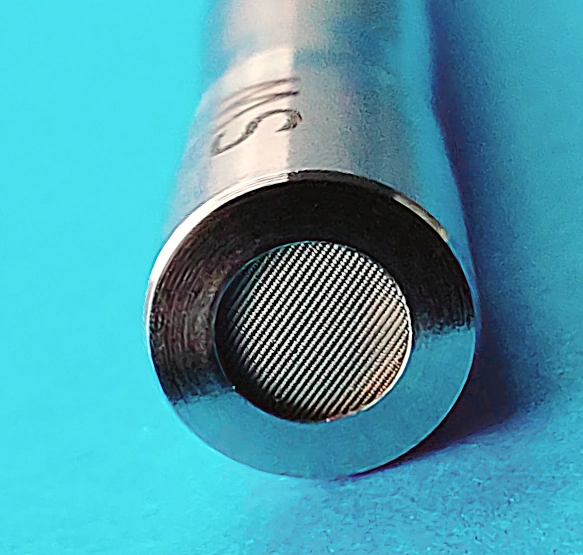
The housing of the microphone is made entirely of stainless steel; the sound inlet features a stainless steel mesh that repels dust particles and water.
 
The internal electronics and microphone capsule are heat-resistant up to temperatures exceeding 302°F – 150°C and meet Class 1 tolerance limits (WS3F and IEC 61672).
 
The SWHT series microphones are equipped with a BNC connector, allowing the use of standard BNC-to-BNC cables.
 
This 1/4-inch measurement microphone can be calibrated using the 4010 or CA111 sound calibrators, as well as other suitable sound pressure calibrators.
 
The MI microphone series features a compact housing and is designed for extreme operating conditions.
Measurement Microphone
Sound inlet opening with fine-mesh stainless steel mesh as a barrier against dust, water, and EMC interference.

MI19-SWHT

High Temperature Microphone
Class 1 free-field
in accordance with IEC 61672
Transducer type
Capacitive pressure transducer
Diameter
1/4″
Polar pattern
Omni
Frequency range
20 Hz – 20 kHz
Sensitivity @ 1 kHz
12 mV/Pa
Max. SPL for
1% THD at 1 kHz
146 dB Peak
Inherent noise
39 dB(A)
Output impedance
<50 Ohm
Current consumption
2-20 mA
Power supply
18 V DC to 30 V DC
Bias:
12.5 Volt
Temperature range, operation
-20°C to +150°C
Heat resistant
up to 180 °C
Diameter
7 mm ± 0.05 mm
Length
84 mm
1/4″ sleeve diameter over the entire length
Weight
18.6 g
Connector
BNC (fem.)

MI15-SWHT

High Temperature Microphone
Class 1 free-field
in accordance with IEC 61672
Transducer type
Capacitive pressure transducer
Diameter
1/4″
Polar pattern
Omni
Frequency range
20 Hz – 20 kHz
Sensitivity @ 1 kHz
30 mV/Pa
Max. SPL for
1% THD at 1 kHz
138 dB Peak
Inherent noise
43 dB(A)
Output impedance
<50 Ohm
Current consumption
2-20 mA
Power supply
18 V DC to 30 V DC
Bias:
12.5 Volt
Temperature range, operation
-20°C to +150°C
Heat resistant
up to 180 °C
Diameter
7 mm ± 0.05 mm
Length
67 mm
1/4″ sleeve diameter over the entire length
Weight
16 g
Connector
BNC (fem.)

Measuring range up to 160 dB

The MI15-HLSW-TNC microphone is specially designed for harsh industrial environments.

Its robust stainless steel housing with a stainless steel mesh at the sound inlet offers excellent protection against electromagnetic interference, particles and splashing water.

It is suitable for high sound pressure levels of up to 160 dB, such as those that occur during explosions, arc flashes and gunshots.

The MI15 microphone has a short overall length of 65.5 mm and a TNC connector. 

The power supply is provided by an IEPE constant current source 4mA. 

The MI15 microphone can be calibrated with a microphone calibrator at 114 dB SPL and a 1/4″ adapter.

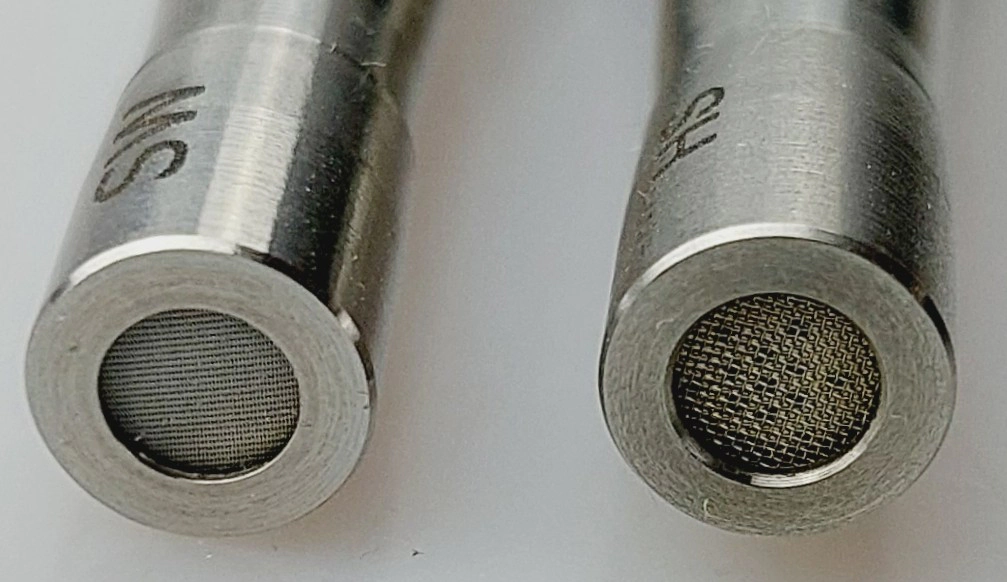
Water and dust protection mesh
The left side, with its fine-mesh stainless steel fabric,
serves as a dust, water and EMC barrier.
Class 1 free-field
in accordance with IEC 61672
Transducer type
Capacitive pressure transducer
Diameter
1/4″
Polar pattern
Omni
Frequency range
20 Hz – 30 kHz
Sensitivity @ 1 kHz
1 mV/Pa
Max. SPL for
1% THD at 1 kHz
160 dB(C) Peak
Inherent noise
46 dB(A)
Output impedance
<50 Ohm
Current consumption
2-20 mA
Power supply
18 V DC to 30 V DC
Bias:
12.5 Volt
Temperature range, operation
-20°C to +80°C
Heat resistant
up to 110 °C
Diameter
7 mm ± 0.05 mm
Length
67 mm
1/4″ sleeve diameter over the entire length
Weight
16 g
Connector
TNC (fem.)
Microphone Identify Defects During Welding

Sonibel Instruments Explanatory Demo with CPO

Sonibel catches weld defects during welding, giving welders the option to rework them on the spot and minimize repair costs.

  • Fewer Inspection Bottlenecks Pass inspections the first time and keep projects moving forward.
  • Reduced Rework Time Address defects immediately rather than waiting for NDT.
  • Less Downstream Delays Minimize the cascading effects of failed inspections on your project timeline.